Understanding the Benefits of Buying a Wärmepumpe
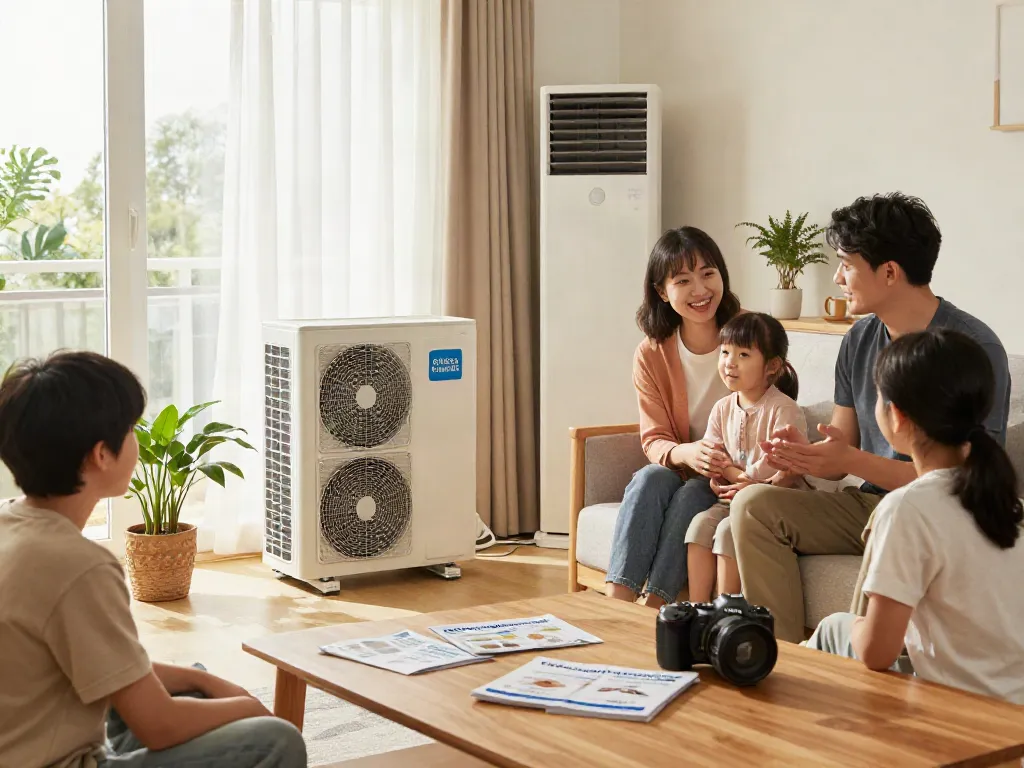
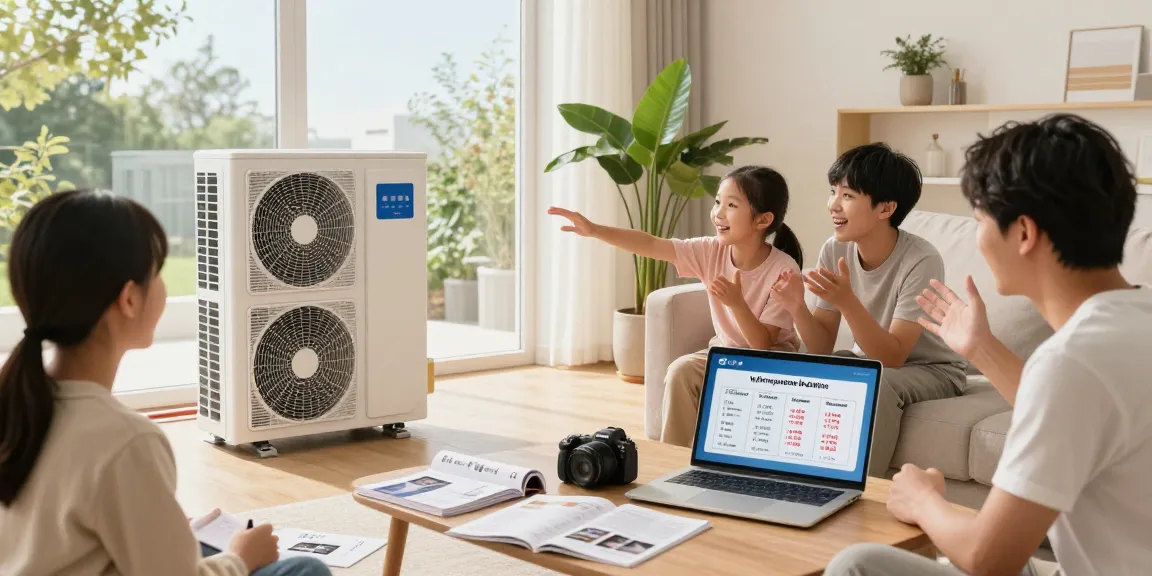
As energy costs continue to rise and environmental concerns mount, more homeowners are considering energy-efficient heating solutions for their residences. One of the most promising options in the market today is the wärmepumpe. This innovative technology harnesses renewable energy to efficiently heat and cool your home, providing a sustainable alternative to traditional heating systems. When exploring options, wärmepumpe kaufen can be a strategic investment that enhances both your home's value and your comfort.
What is a Wärmepumpe?
A Wärmepumpe, or heat pump, is a device that transfers heat from one location to another using a refrigeration cycle. It can extract heat from the air, ground, or water and convert it into usable energy for heating or cooling a building. This technology is particularly effective in moderate climates, where the air temperature is sufficient for the heat pump to operate efficiently. By leveraging existing environmental energy, Wärmepumpen can significantly reduce household energy consumption and lower greenhouse gas emissions.
Advantages of Energy Efficiency
The primary advantage of using a Wärmepumpe is its exceptional energy efficiency. Unlike traditional heating systems that generate heat by burning fossil fuels, heat pumps move heat, consuming less energy in the process. This could lead to a reduction in energy bills of up to 50%. Additionally, many Wärmumpen are eligible for government incentives, making them an even more attractive option for homeowners.
Long-Term Cost Savings
While the initial installation cost of a Wärmepumpe can be higher compared to conventional heating systems, the long-term savings associated with lower operational costs and maintenance can make it a worthwhile investment. Homeowners can expect to recoup their initial investment over time through energy savings and increased property value.
How to Choose the Right Wärmepumpe
Deciding to install a Wärmepumpe is just the beginning; choosing the right model for your home is crucial to maximizing its benefits. Various factors will influence your decision, including the size of your home, the specific climate you live in, and your heating needs.
Types of Wärmepumpen on the Market
There are three primary types of Wärmepumpen: air-source, ground-source (geothermal), and water-source. Each type has its advantages and ideal applications:
- Air-source Wärmepumpen: These pumps absorb heat from the outside air. They are the most common type due to their easier installation and lower upfront costs.
- Ground-source Wärmepumpen: Also known as geothermal pumps, these systems utilize the constant temperature of the ground to provide heating and cooling. They are highly efficient but require more extensive installation work.
- Water-source Wärmepumpen: These systems draw heat from bodies of water. They are suitable for homes near lakes or rivers but have limited applicability.
Factors to Consider Before Purchase
When selecting a Wärmepumpe, consider the size and energy requirements of your home. A professional energy audit can help determine the necessary heating capacity. Additionally, check the Wärmepumpe's efficiency ratings, which indicate its performance in converting energy into heating. Look for models with a high Seasonal Energy Efficiency Ratio (SEER) and Heating Seasonal Performance Factor (HSPF).
Environmental Considerations
Investing in a Wärmepumpe promotes environmental sustainability by reducing reliance on fossil fuels and lowering carbon emissions. Many modern units also utilize environmentally friendly refrigerants, contributing further to their green credentials. Homeowners should consider the long-term benefits of reduced environmental impact when deciding on purchasing a Wärmepumpe.
Installation and Maintenance Tips for Wärmepumpen
Proper installation and maintenance are crucial to ensuring that your Wärmepumpe operates efficiently and effectively. Understanding what is involved in the installation process, as well as how to maintain the system, can save homeowners time and money in the long run.
Preparing Your Home for Installation
Before installation begins, it’s essential to prepare your home. This may include assessing insulation levels, sealing any drafts, and ensuring that the system is appropriately sized for your living space. Collaborating with a qualified HVAC contractor to evaluate your home can ensure that the installation goes smoothly.
Common Installation Mistakes
One common mistake during installation is choosing the wrong type or size of the Wärmepumpe. Additionally, improper placement can affect performance; for instance, heat pumps should be installed where they can efficiently draw air or ground heat. It’s vital to work with a licensed professional to avoid these pitfalls.
Maintenance Best Practices
Regular maintenance is key to the longevity of your Wärmepumpe. Homeowners should schedule annual inspections, clean or replace filters monthly, and check ducts for leaks. Keeping the outdoor unit clear of debris will also help maintain efficiency. These simple practices can enhance the overall performance and lifespan of your system.
Financing Your Wärmepumpe Purchase
Considering the financial aspect of installing a Wärmepumpe is essential for many homeowners. Proper planning can help you manage the costs and maximize your investment.
Understanding the Cost Structure
The total cost of purchasing and installing a Wärmepumpe depends on various factors, including the type of pump, installation complexity, and local labor rates. On average, homeowners can expect to pay between €10,000 and €20,000 for a complete setup. This initial investment can vary significantly based on available incentives and rebates.
Available Government Incentives
Many governments offer incentives for installing energy-efficient systems like Wärmepumpen. These can include tax credits, rebates, and grants, which can significantly offset installation costs. Homeowners should research available programs in their area to take full advantage of these financial benefits.
Long-Term Financial Planning
When considering a Wärmepumpe, it's crucial to assess not only the upfront costs but also the long-term savings. Reduced energy bills can significantly contribute to your financial planning, particularly as energy prices continue to rise. Calculating return on investment (ROI) can help in understanding the financial benefits over the lifespan of the system.
Future Trends in Wärmepumpe Technology
The Wärmepumpe industry is rapidly evolving with advancements in technology and changing regulations. Staying informed about these trends can help homeowners make better decisions regarding their heating solutions.
Innovations in Heat Pump Technology
Recent innovations include the development of more efficient compressors, enhanced refrigerants, and smart technology that allows for remote monitoring and control of heating systems. These advancements significantly improve the performance and efficiency of Wärmepumpen, making them even more appealing to homeowners.
The Impact of Climate Change on Heating Solutions
As climate change continues to influence weather patterns, the demand for efficient and adaptable heating solutions will only increase. Wärmepumpen, with their ability to draw from renewable energy sources, stand out as a pivotal technology in this transition towards sustainable energy solutions.
Predictions for the Industry in 2026
By 2026, we anticipate further integration of smart technology within Wärmepumpen, enabling better energy management and predictive maintenance. Additionally, ongoing developments in materials and design will likely lead to higher efficiency ratings, making Wärmepumpen an even more viable option for homeowners.
What are the advantages of using a Wärmepumpe?
The advantages include reduced energy consumption, lower heating costs, minimal environmental impact, and enhanced comfort levels in homes. Additionally, many systems are eligible for government incentives, making them a more attractive choice for homeowners.
How do I choose the best Wärmepumpe for my home?
Assess your heating needs, home size, and evaluate the energy efficiency ratings of various models. Consulting with HVAC professionals can provide insight into the best choices for your specific situation.
What are common issues with Wärmepumpen?
Common issues include incorrect sizing, installation mistakes, and inadequate maintenance. Regular servicing can help mitigate many of these challenges and ensure optimal performance.
How much does it cost to install a Wärmepumpe?
The installation cost typically ranges between €10,000 and €20,000, depending on various factors, including the type of system chosen and installation complexity.
Are there government subsidies for Wärmepumpen in 2026?
Yes, many governments continue to offer incentives for homeowners who install energy-efficient heating systems, including Wärmepumpen. It’s advisable to check local and national programs to identify applicable subsidies.